
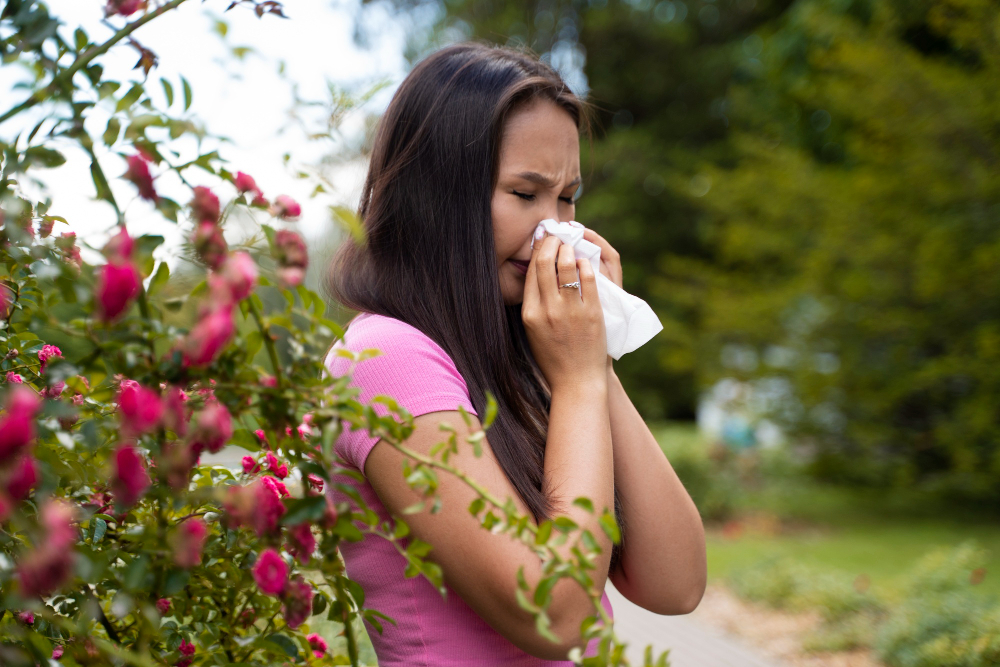
What Are Allergies?
Allergies are common health problems that affect millions of people worldwide. The causes of allergies can be different for each person. An allergy happens when your body reacts to something harmless, like pollen or certain foods. Instead of ignoring these things, your immune system treats them as threats. This leads to symptoms like sneezing, itching, or swelling. According to the World Health Organization (WHO), allergies are on the rise in many countries.
Common Causes of Allergies
Many things can cause allergies. These are called allergy triggers. Some triggers are found indoors, while others are outside. Here are some of the most common causes of allergies:
For example, pollen levels can be higher in some cities during spring. This makes allergies worse for people living there.
How Allergies Develop in the Body
When you come into contact with an allergy trigger, your immune system reacts. First, it makes special proteins called antibodies. These antibodies think the trigger is harmful. Next, your body releases chemicals like histamine. As a result, you may get symptoms such as runny nose, itchy eyes, or skin rashes. Over time, your body can become more sensitive to these triggers. Therefore, even small amounts can cause a reaction.
Environmental and Genetic Factors
Both your genes and your environment play a role in allergies. If your parents have allergies, you are more likely to get them too. This is called genetic factors in allergies. However, not everyone with a family history will develop allergies. Environmental allergy causes are also important. For instance, living in a city with high air pollution can make allergies worse. Likewise, growing up around pets or dust can increase your risk.
Everyday Triggers to Watch For
Many allergy triggers are found in daily life. It helps to know what to look out for. Here are some everyday triggers:
Because triggers can be different for everyone, it is important to pay attention to your symptoms. If you notice a pattern, try to avoid the trigger when possible.
When to See a Doctor
Sometimes, allergy symptoms can be mild and easy to manage. But in other cases, they can be serious. You should see a doctor if:
Early treatment can help prevent more serious problems. A general physician can help you find out what causes your allergies and suggest the best treatment.
If you suspect you have allergies, consult a general physician for personalized advice.