
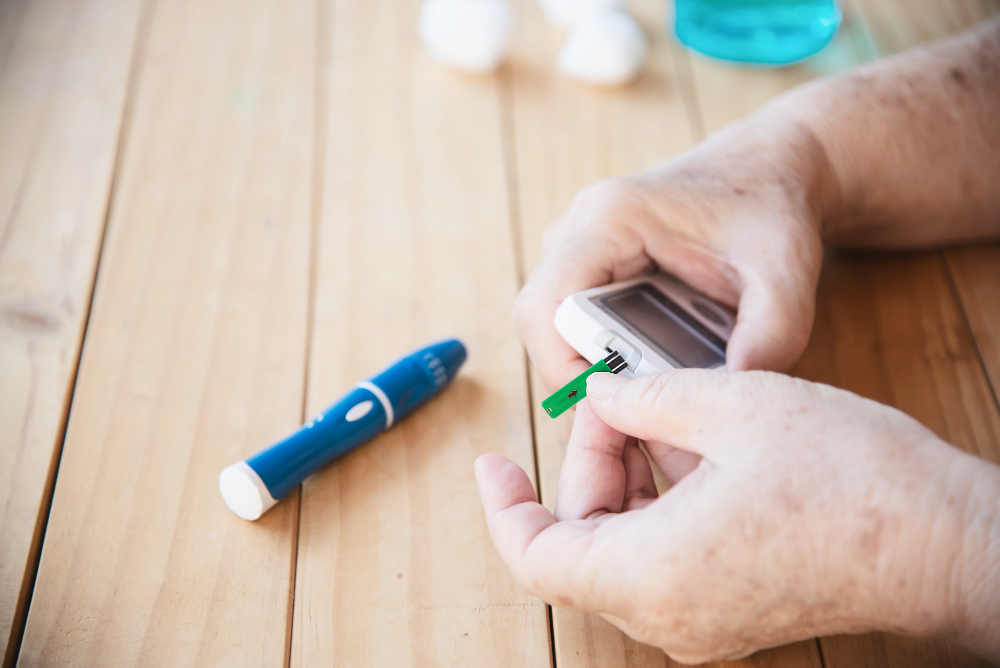
What is Pre-Diabetes?
Pre-diabetes means your blood sugar is higher than normal, but not high enough for diabetes. Many people do not notice any symptoms. However, pre-diabetes is a warning sign. If you act early, you can reverse pre-diabetes and avoid type 2 diabetes. According to the CDC, over 1 in 3 adults in the United States have pre-diabetes. Yet, most do not know it. Early intervention for pre-diabetes can make a big difference.
Why the 5-Year Window Matters
After a pre-diabetes diagnosis, you have a 5-year window to take action. During this time, your body can still respond well to changes. If you make healthy choices now, you can reverse pre-diabetes. But if you wait too long, your risk for type 2 diabetes goes up. Studies show that people who act within this window often prevent diabetes. Therefore, the 5-year window for pre-diabetes is your best chance to change your future health.
Symptoms and Risk Factors
Most people with pre-diabetes do not feel sick. Still, some signs and risk factors can help you spot it early. For example, you may notice:
But often, there are no clear symptoms. Because of this, it is important to know your risk factors. These include:
If you have any of these, you should talk to your doctor about testing.
How Pre-Diabetes is Diagnosed
Doctors use simple blood tests to check for pre-diabetes. Common tests include:
For example, a fasting blood sugar between 100 and 125 mg/dL means pre-diabetes. If your A1C is between 5.7% and 6.4%, you also have pre-diabetes. These tests are quick and easy. Therefore, regular screening is important if you have risk factors.
Evidence-Based Ways to Reverse Pre-Diabetes
Many studies show that you can reverse pre-diabetes. The key is to act early. Here are proven steps:
In fact, the Diabetes Prevention Program found that these steps cut diabetes risk by over 50%. So, small changes can have a big impact.
Lifestyle Changes for Prevention
Even if you do not have pre-diabetes, healthy habits help prevent it. For instance, you can:
Because these habits lower your risk, they are worth starting now. Over time, they protect your health and help you feel better.
When to See a Doctor
If you have risk factors or notice symptoms, see your doctor soon. Early testing can catch pre-diabetes before it turns into diabetes. Also, if you have been told you have pre-diabetes, regular check-ups are important. Your doctor can help you make a plan to reverse pre-diabetes. Remember, the sooner you act, the better your chances of preventing type 2 diabetes.
In summary, pre-diabetes is a warning, not a life sentence. Because you have a 5-year window, you can still reverse the diagnosis. Consult a healthcare professional for personalized advice on reversing pre-diabetes.