
What Is the Flu and Why Are Children at Risk?
The flu, or influenza, is a common virus that spreads easily. It can cause fever, cough, sore throat, and body aches. Children, especially those under five, are more likely to get very sick from the flu. Because their immune systems are still growing, they may have a harder time fighting off the virus. In some cases, the flu can lead to serious problems like pneumonia or even hospitalization. For this reason, protecting children from the flu is very important.
Importance of Flu Vaccination in Children
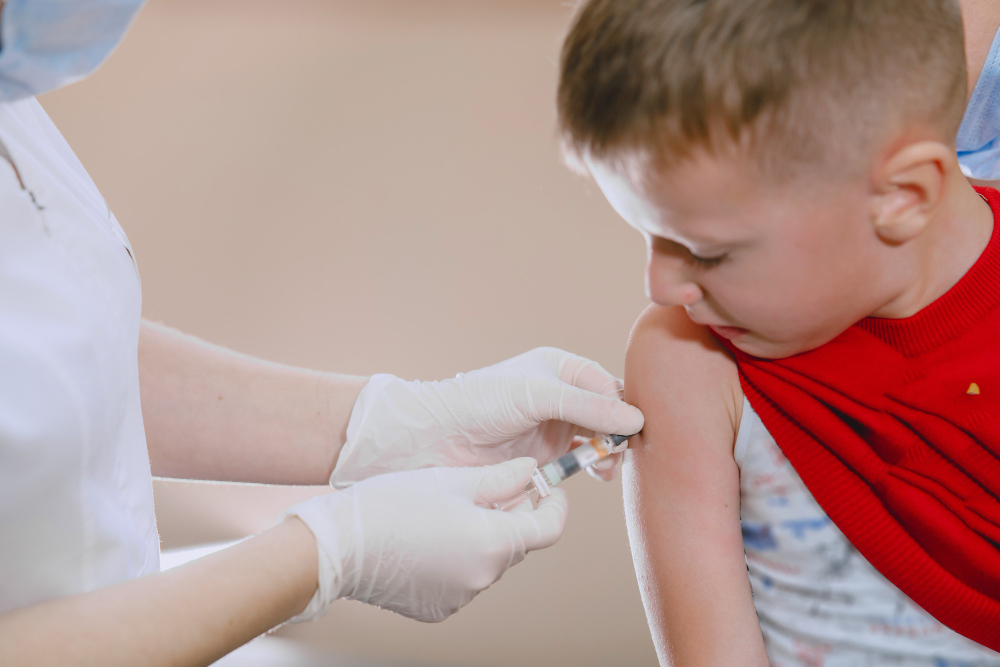
Flu vaccination in children is the best way to prevent the illness. Not only does it lower the risk of getting sick, but it also helps stop the spread of the virus to others. When more children get vaccinated, fewer people in the community get the flu. According to the CDC, flu shots can reduce the risk of flu-related hospital visits in children by up to 74%. Therefore, getting your child vaccinated each year is a smart choice.
Recommended Age and Schedule for Flu Vaccination
Experts recommend that all children aged six months and older get a yearly flu shot. The best time for flu vaccination in children is before the flu season starts, usually in the fall. However, it is still helpful to get the shot later if your child missed it. Here is a simple guide:
Always check with your child’s doctor for the right schedule.
Safety and Possible Side Effects of the Flu Vaccine
Many parents ask about child flu shot safety. The flu vaccine is very safe. It has been used for many years and is closely watched by health experts. Most side effects are mild and go away quickly. For example, your child may have:
Serious reactions are rare. If you notice anything unusual, contact your doctor right away. Overall, the benefits of flu vaccination in children far outweigh the risks.
Myths and Facts About Flu Vaccination in Children
There are many myths about the flu shot. Let’s clear up some common ones:
Because of these facts, experts strongly recommend flu vaccination in children.
How to Prepare Your Child for the Flu Shot
Getting a shot can make some children nervous. However, there are ways to help your child feel better:
With a little preparation, the experience can be much easier for both of you.
Tips for Parents After Vaccination
After your child gets the flu shot, you can help them feel comfortable. For example:
Most children feel fine after the shot and can return to normal activities right away.
Prevention Tips Beyond Vaccination
While flu vaccination in children is key, other steps can help keep your child healthy. For instance:
When you combine these habits with the flu shot, your child has the best protection.
Conclusion
In summary, flu vaccination in children is safe, effective, and important. It helps protect your child and others from serious illness. For the best advice on flu prevention for kids, consult your child’s doctor about the right time and schedule for the flu shot.