
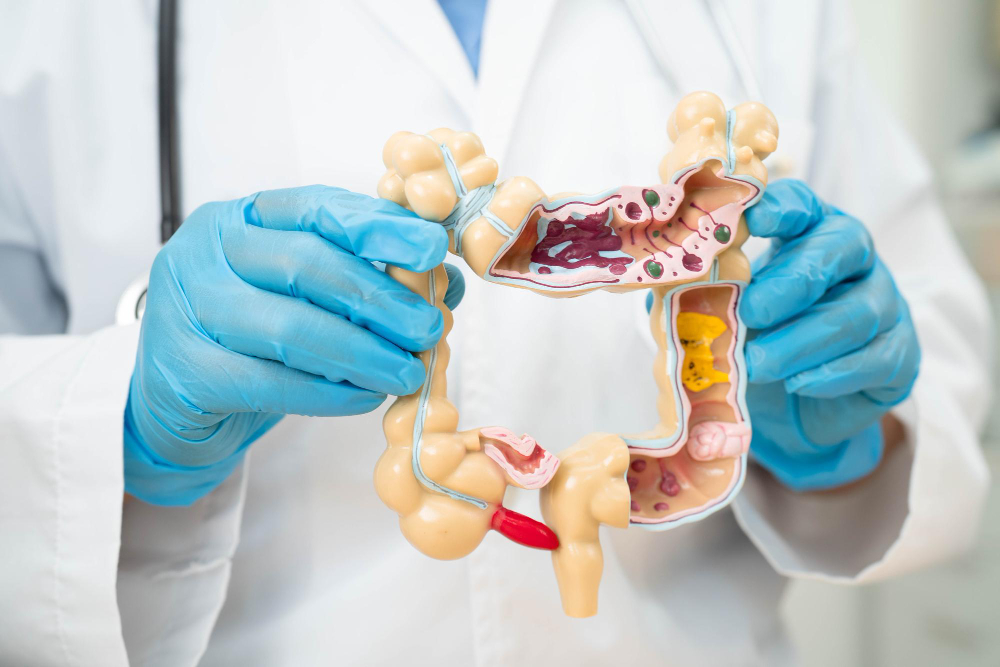
Introduction to Laser Piles
Piles, also called hemorrhoids, are swollen veins in the lower part of the rectum or anus. Laser piles treatment is a modern way to treat this problem using focused light. Many people choose laser surgery for piles because it is less painful and offers a quicker recovery. In this blog, you will learn about laser piles, their symptoms, causes, diagnosis, treatment options, and ways to prevent them.
Symptoms of Laser Piles
Recognizing the symptoms of laser piles is important. Early treatment can help you avoid discomfort. Common signs include:
However, not everyone will have all these symptoms. If you notice any of these signs, you should talk to a doctor.
Causes and Risk Factors
Piles can develop for many reasons. Some common causes and risk factors include:
Because these factors can increase your risk, making healthy lifestyle choices is important.
Diagnosis Methods
Doctors use several methods to diagnose piles. First, they will ask about your symptoms and medical history. Next, they may perform a physical exam. Sometimes, a doctor will use a small tool to look inside the anus and rectum. In some cases, further tests like a colonoscopy may be needed to rule out other problems. Early diagnosis helps in choosing the best treatment, such as laser piles treatment.
Laser Treatment for Piles
Laser surgery for piles is a safe and effective option. During the procedure, a doctor uses a laser beam to shrink or remove the swollen veins. This method is less invasive than traditional surgery. Here is what you can expect:
Because laser piles recovery is faster, many people prefer this option. However, you should always discuss the risks and benefits with your doctor. According to the World Health Organization (WHO), minimally invasive treatments can improve patient comfort and outcomes.
Prevention Tips and Lifestyle Guidance
Although laser piles treatment is effective, preventing piles is always better. You can reduce your risk by following these tips:
Additionally, making these changes can help you recover faster after laser piles surgery.
Frequently Asked Questions about Laser Piles
Conclusion
Laser piles treatment offers a safe and effective way to manage piles. Because it is less painful and has a faster recovery, many people choose this option. However, prevention and early care are important. Consult a specialist for personalized guidance.