
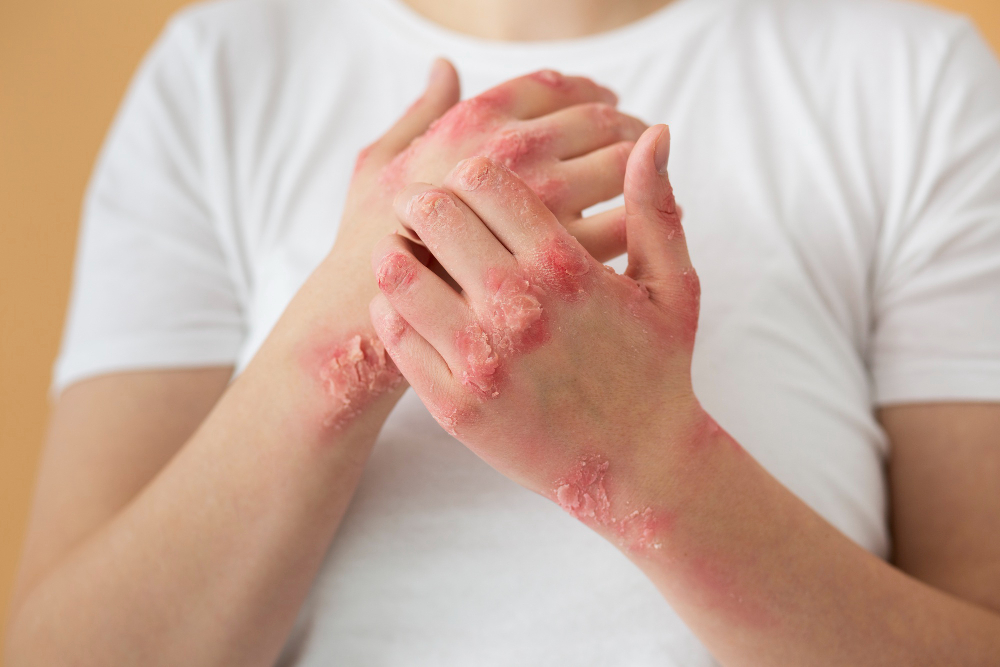
Introduction to Monsoon Fungal Infections
Monsoon fungal infections are common during the rainy season, especially in humid regions of India. Because the air is moist, fungi can grow easily on the skin. As a result, many people notice itchy rashes or red patches. These infections include ringworm, athlete’s foot, and tinea cruris. Early care helps prevent spreading. In this blog, you will learn about symptoms, causes, prevention, and treatment for these monsoon skin infections.
Common Types: Ringworm, Athlete’s Foot, Tinea Cruris
During the monsoon, three fungal infections are seen most often:
Each infection has its own signs, but all are caused by fungi that thrive in damp conditions.
Symptoms of Each Infection
It is important to spot symptoms early. This helps prevent spreading to others. Here are the main signs:
However, symptoms can vary. If you notice any of these, take action quickly.
Causes and Risk Factors
Fungi grow well in warm, moist places. During the monsoon, wet clothes and sweaty skin increase the risk. Here are some common causes and risk factors:
Because the monsoon brings more humidity, these risks go up. So, staying dry and clean is very important.
Diagnosis Methods
Doctors usually diagnose fungal infections by looking at the skin. Sometimes, they may:
Early diagnosis helps start treatment sooner. Therefore, see a doctor if you are unsure about your rash.
Treatment Options
Most monsoon fungal infections can be treated with simple steps. Treatment options include:
However, do not stop treatment early, even if symptoms improve. Always follow your doctor’s advice for best results.
Prevention Tips for the Monsoon Season
Preventing ringworm in the rainy season is possible with good habits. Here are some tips:
Because prevention is easier than cure, follow these steps daily during the monsoon.
Lifestyle and Hygiene Guidance
Good hygiene can lower your risk of monsoon skin infections. For example, you should:
Additionally, eat a healthy diet to support your immune system. This helps your body fight infections better.
When to See a Doctor
Sometimes, home care is not enough. You should see a doctor if:
Early medical help can prevent complications. Therefore, do not delay if you are worried about your skin.
Consult a general physician for personalized advice and early treatment of monsoon fungal infections.